Belta: A Handwritten Font for Creative Makers
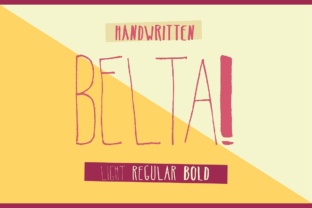
There’s something special about a font that feels like it was written by hand, with a little bit of personality and a lot of charm. That’s Belta—a stunning all-caps handwritten font that brings a playful, informal vibe to any design. As a crafter who loves experimenting with fonts, I’ve found Belta to be one of the most versatile tools in my creative toolkit.
Whether I’m designing candle labels, printing out greeting cards, or preparing mockups for digital downloads, Belta adds that extra touch of authenticity. It’s perfect for anything that needs a personal, handmade feel without looking too casual or unprofessional.
What Makes Belta Stand Out
Belta has a warm, expressive style that feels like it was crafted with care. Its letters have a slight slant and soft curves, giving it an approachable, friendly look. The all-caps format makes it ideal for headlines, titles, and short phrases, where it can really shine. It’s not the kind of font you’d want for long paragraphs, but when used strategically, it can elevate the entire design.
I love how Belta works well with both modern and rustic themes. On a farmhouse sign, it gives a cozy, homemade feel. On a wedding invitation, it adds a touch of elegance and whimsy. It’s adaptable enough to fit into different styles while still maintaining its unique character.
Real-World Uses for Belta
One of my favorite projects with Belta was creating custom candle labels for a small seasonal shop. I paired it with a simple sans serif font for the ingredients list, letting Belta take center stage on the product name and brand tagline. The result was clean, professional, and full of personality.
I also used Belta for a set of printable wall art. The bold, stylized letters made the text pop, and the overall design felt cohesive and inviting. For a holiday card project, I experimented with different color combinations, and Belta always held up beautifully, whether printed on paper or displayed digitally.
Another great use is in sticker sheets. Belta looks great on small stickers, especially when paired with a minimalist background. It adds visual interest without overwhelming the design. I’ve used it for tags on handmade soaps, labels on gift boxes, and even for a set of planner pages that I sold as a digital printable.
Designing with Belta
When working with Belta, I always keep the context in mind. It’s best suited for display purposes—think headlines, logos, or decorative text. For product labels, I make sure the font size is large enough to remain legible, especially if it’s going to be cut with a Cricut or Silhouette machine. Small text can sometimes lose its detail, so I test it on different materials before finalizing a design.
Pairing Belta with other fonts helps balance the design. I often pair it with a clean, modern sans serif for contrast, or with a simple serif font for a more traditional look. It also works well with other script or handwritten fonts when creating layered designs or decorative elements.
Why Belta Works for Handmade Businesses
For handmade sellers, consistency is key. Belta helps create a cohesive brand identity across different products. Whether it’s on a mug, a tote bag, or a digital download, using the same font across multiple items reinforces brand recognition and builds trust with customers.
It also adds emotional appeal. People respond to fonts that feel authentic and personal. Belta’s handwritten style makes products feel more connected to the creator, which is exactly what many handmade businesses aim for.
Practical Tips for Using Belta
If you’re planning to use Belta in your shop, make sure to check the file formats and licensing terms. It’s important to know what you can and cannot do with the font, especially if you’re selling physical products or digital printables. Some fonts come with limited commercial licenses, so double-check before you start designing.
Also, take time to explore the different styles and alternates included in the font. Many handwritten fonts have variations that can add more depth and interest to your designs. Experimenting with swashes, ligatures, and weights can help you get the most out of Belta.
Finally, don’t be afraid to play around with colors and backgrounds. Belta looks great in a variety of palettes, from muted earth tones to bright, bold hues. It’s a flexible tool that can adapt to different aesthetics and projects.
Conclusion
Belta is more than just a font—it’s a creative companion for makers who want to add a personal touch to their work. Whether you’re designing labels, invitations, or digital templates, Belta brings a sense of warmth and individuality that’s hard to match. With its stylish, handcrafted look, it’s a font that feels right at home in any handmade shop or creative project.